How to Make Raised Garden Beds in Dubai
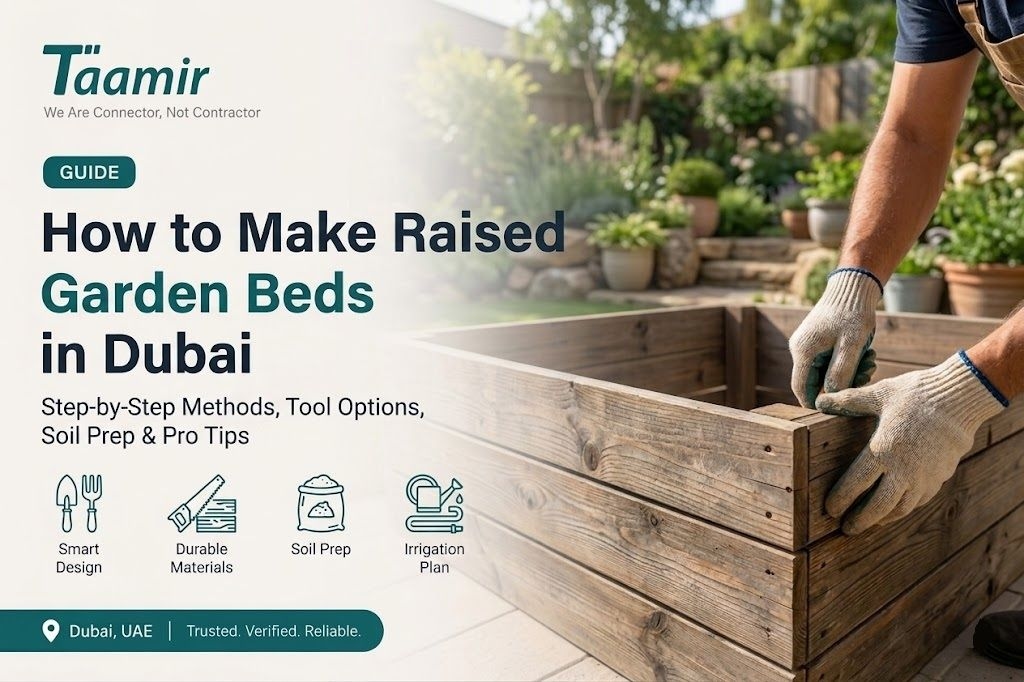
Raised garden beds are one of the most effective ways to create a productive, organized, and visually appealing outdoor space in Dubai. Whether you plan to grow vegetables, herbs, or flowers, understanding how to build raised garden beds can significantly improve soil quality, enhance drainage, reduce weed growth, and make overall gardening much easier.
In professional garden design in dubai, raised garden beds are widely used for villas, compact backyards, and sandy soil conditions. They provide better control over soil composition and plant health, which is especially important in Dubai’s hot and dry climate.
Raised beds are also ideal for beginners who want a simple and manageable way to start gardening. They can be built quickly using basic tools and materials, often within just a few hours, making them a practical DIY solution for homeowners.
In this guide, you will learn everything you need to know about planning, building, filling, and maintaining raised garden beds in Dubai to achieve a healthy and well-structured garden space.
Benefits of Raised Garden Beds
Before starting your project, it’s important to understand why raised beds are so popular among gardeners in Dubai.
1. Better Soil Quality
Raised beds allow you to control the soil mix completely, which leads to healthier plants and better harvests, especially in areas where natural soil is sandy.
2. Improved Drainage
Because the soil sits above ground level, excess water drains more efficiently and helps prevent root rot, even during heavy irrigation.
3. Fewer Weeds
Raised garden beds reduce weed growth by creating a controlled planting area.
4. Easier Maintenance
The elevated structure makes planting, watering, and harvesting more comfortable and accessible.
5. Longer Growing Season
With proper planning, raised beds help gardeners in Dubai grow a wide variety of plants throughout much of the year.
Best Materials for Raised Garden Beds
Choosing the right materials is one of the most important steps when you make raised garden beds.
1. Wood
Wood is the most common material because it’s affordable, easy to work with, and visually appealing.
Some of the best wood choices for raised garden beds include:
Cedar
Redwood
Pine
Douglas fir
Cedar and redwood naturally resist rot and insects, making them excellent long-term choices in Dubai’s climate.
2. Metal
Metal raised beds are durable and modern-looking. Galvanized steel is especially popular for its resistance to heat and weather conditions.
3. Stone or Brick
Stone and brick create permanent raised beds with an elegant appearance, though they usually cost more and require additional labor.
4. Composite Materials
Composite boards offer durability and low maintenance while resisting moisture and decay.
5. Choosing the Right Location
The success of your raised garden bed depends heavily on its location.
6. Sunlight Requirements
Most vegetables and herbs require at least 6–8 hours of direct sunlight daily.
Choose a spot with suitable sun exposure while considering Dubai’s intense summer temperatures.
7. Access to Water
Place the bed near a water source to make irrigation easier.
8. Good Air Circulation
Proper airflow helps reduce plant diseases and mildew problems.
9. Level Ground
Building on level ground creates a more stable structure and prevents uneven water distribution.
Tools You’ll Need For Raised Garden Beds
Before building your raised garden bed, gather the necessary tools.
Basic Tools
Tape measure
Drill or screwdriver
Saw
Shovel
Level
Garden rake
Work gloves
Having all tools ready beforehand makes the building process much smoother.
How to Make Raised Garden Beds Step by Step
Building a raised garden bed is easier than many beginners expect.
Step 1: Plan the Bed Size
A common raised bed size is 4 feet wide because it allows easy access from both sides without stepping on the soil.
Most raised beds are:
6–8 feet long
10–24 inches deep
Avoid making beds too wide, or reaching the center becomes difficult.
Step 2: Cut the Materials
Measure and cut your boards according to the planned dimensions.
Double-check all measurements before cutting to ensure the frame fits together correctly.
Step 3: Assemble the Frame
Use screws or brackets to connect the boards and create a rectangular frame.
Make sure the corners are square and the structure is level before tightening everything fully.
Step 4: Prepare the Ground
Remove grass and weeds from the area where the bed will sit.
Some gardeners place cardboard or landscape fabric underneath the bed to suppress weeds naturally.
Step 5: Position the Raised Bed
Place the assembled frame in the desired location and check again for level positioning.
An uneven bed can lead to drainage problems later.
Step 6: Fill the Bed with Soil
One of the biggest advantages of raised beds is the ability to create high-quality soil.
A good raised bed soil mix often includes:
Topsoil
Compost
Organic matter
Peat moss or coconut coir
Perlite or vermiculite
Healthy soil creates stronger roots and better plant growth.
A balanced raised bed mix should provide:
Good drainage
Moisture retention
Nutrients
Air circulation
Many gardeners in Dubai use a blend of:
60% topsoil
30% compost
10% aeration materials
Add Organic Matter
Compost improves soil fertility naturally and supports beneficial microorganisms.
What to Plant in Raised Garden Beds?
Raised beds work well for many types of plants commonly grown in Dubai gardens.
1. Vegetables
Popular options include:
Tomatoes
Lettuce
Carrots
Cucumbers
Peppers
Spinach
2. Herbs
Herbs thrive in raised beds because of improved drainage.
Common choices include:
Basil
Mint
Rosemary
Thyme
Parsley
3. Flowers
Raised beds can also create beautiful flower displays with excellent soil control.
Common Mistakes to Avoid
Many beginner gardeners make simple mistakes when building raised beds.
1. Using Poor-Quality Soil
Low-quality soil leads to weak plant growth and poor harvests.
2. Building Beds Too Wide
Wide beds make planting and maintenance difficult.
3. Ignoring Sunlight
Insufficient sunlight reduces plant productivity.
4. Overwatering
Raised beds drain well, but overwatering can still damage roots, particularly in Dubai’s irrigated landscapes.
5. Using Treated Lumber Incorrectly
Avoid older pressure-treated wood that may contain harmful chemicals.
How to Maintain Raised Garden Beds
Proper maintenance helps your garden stay productive year after year.
Add Compost Regularly
Nutrients gradually decrease over time, so refreshing the soil annually is important.
Mulch the Surface
Mulch helps retain moisture and suppress weeds, which is particularly beneficial in Dubai’s hot climate.
Rotate Crops
Changing plant locations each season helps prevent soil diseases and pests.
Inspect for Damage
Check wooden beds periodically for rot, weather damage, or loose screws.
Are Raised Garden Beds Worth It?
For most homeowners in Dubai, raised beds are an excellent investment.
They provide:
Better plant growth
Cleaner organization
Easier maintenance
Improved drainage
Higher yields
Although the initial setup may cost more than traditional gardening, the long-term benefits are often worth it.
Final Thoughts
Learning how to make raised garden beds is a great way to improve your gardening experience and create healthier, more productive plants in Dubai. With the right materials, proper soil, and a good location, raised beds can transform almost any villa garden, backyard, or outdoor space into a thriving garden.
Whether you’re growing vegetables, herbs, or flowers, a well-built raised garden bed offers long-lasting benefits and makes gardening easier for beginners and experienced growers alike.